Website care or one-off updates: which fits your team?
Choose ongoing support or a scoped project by the shape of your workload, the decisions your team can make, and the capacity you actually need.
 By Mubarak Bello · No-Code DevUpdated
 Match the arrangement to the work
I would choose the support arrangement around the work you actually have. A defined fix needs a clear scope; a steady stream of publishing and development requests needs a working rhythm. At No-Code Dev, Website Care starts at $1,500 a month for an agreed workload. It makes sense when there is a queue worth managing, rather than as a vague promise that every future request is included.
An ongoing relationship needs a useful queue
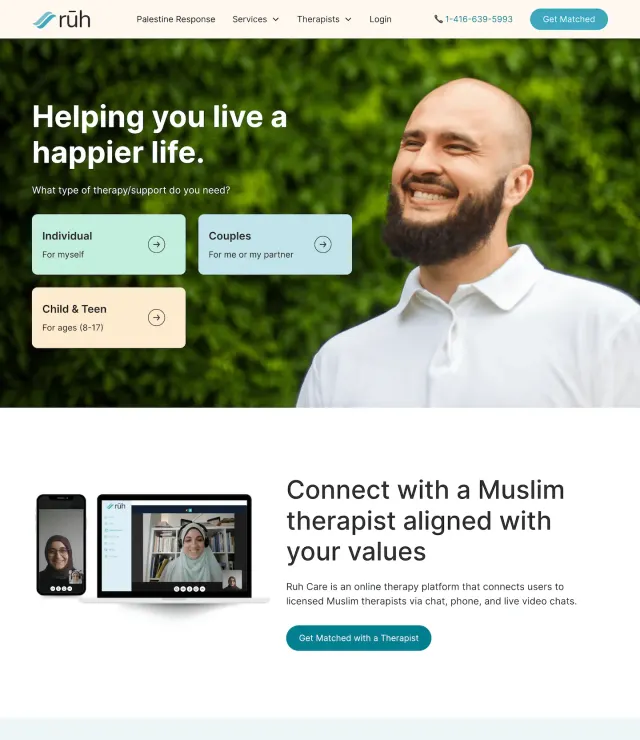
Ruhcare’s website work has continued over an ongoing collaboration of more than two years. The original front-end and directory integration provides context for later work, but that does not make every new feature part of the original scope. It is a useful distinction for care: keeping the system working and extending what it can do are related jobs with different responsibilities.
Write down your last six website requests. If they form a regular queue, discuss care. If they point to one bounded problem, scope that problem first.
Start with a short workload record
Write down the changes your team requested recently, who supplied the inputs, and what delayed completion. Separate content updates, new sections, campaign pages, integration issues, and larger design changes. Then add upcoming work that is already likely rather than every idea on the wish list. This record reveals whether your problem is development capacity, missing content, slow approvals, or an unclear website structure. A support arrangement can provide delivery capacity; it cannot resolve every internal dependency on your behalf.
Choose one-off work when the finish line is clear
A single campaign page with approved copy, one broken integration, or a defined group of accessibility fixes can suit a scoped project. Agree the deliverable, acceptance checks, dependencies, and what is excluded. For example, replacing a contact form might include field setup, error handling, a real delivery test, and handover. It would not automatically include redesigning the surrounding page or reorganising the sales process. A clear boundary makes a one-off engagement easier to estimate and easier to sign off.
Choose care when continuity is useful
An illustrative care workload might combine recurring campaign changes, CMS improvements, and checks of important website journeys. The benefit is a continuing understanding of the site and an agreed way to select the next task. It is not a promise that every request can be done immediately. Care works best when one person owns the queue, content arrives in a usable state, and larger requests can be broken into reviewable pieces. If that operating rhythm does not exist, establish it before buying a large monthly allocation.
Distinguish response time from completion time
Acknowledging a request, diagnosing it, and delivering a tested change are separate events. A provider may be able to confirm receipt quickly while needing more time or access to complete the work. Ask what each timing commitment means, which hours it covers, and how urgent incidents are handled. A broken lead form and a proposed new animation should not automatically receive the same priority. Avoid treating a general monthly relationship as an emergency support agreement unless that coverage is explicitly included.
Compare the terms that affect usable capacity
- Which tasks are included, and which require a separate estimate?
- How much work can be active at once, and who sets its order?
- How are large requests estimated and divided into delivery stages?
- What happens when content, approval, or third-party access is missing?
- How are unused capacity, pauses, cancellation, and handover handled in the actual agreement?
- What evidence will show what changed and which items remain open?
Know when maintenance will not solve the underlying problem
If every update requires rebuilding a fragile layout or bypassing an unsuitable content model, a focused repair project may be more sensible than carrying the same friction into a monthly plan. Ask for a review of the underlying structure. Keep the useful parts and scope the repairs separately where needed. Similarly, a complete rebrand, platform migration, or new application is substantial project work. Dividing it into monthly requests does not remove the need for an agreed design, dependencies, and launch plan.
Understand the No-Code Dev starting point
Website Care starts at $1,500 per month for an agreed workload and priorities. It is not unlimited development. A full redesign, application development, new brand identity, and third-party subscriptions are separate. New website builds include 30 days of fixes for issues within the delivered scope; new pages and features are additional work. The proposal should define capacity and commercial terms for your engagement. Bring a short list of recent requests and upcoming campaigns so we can assess whether ongoing care or a bounded project fits better.
Sources & further reading
Working through this on your site?
Bring your questions. We’ll help you find a useful next step.